


Spatial day aims to bring together academic and clinical researchers to share the latest advances in spatial biology, and how these cutting-edge applications have been used to address key questions across discovery and translational research a range of disease area.
Highlights: Introduction to the fastest spatial proteomics platform, the PhenoCycler-Fusion. Spatial biology research breakthroughs by Queensland researchers in immuno-oncology and cancer. Explore how spatial technologies can be used to uncover biology for various disease area.
Uncovering New Insights in Tumor Biology and Beyond
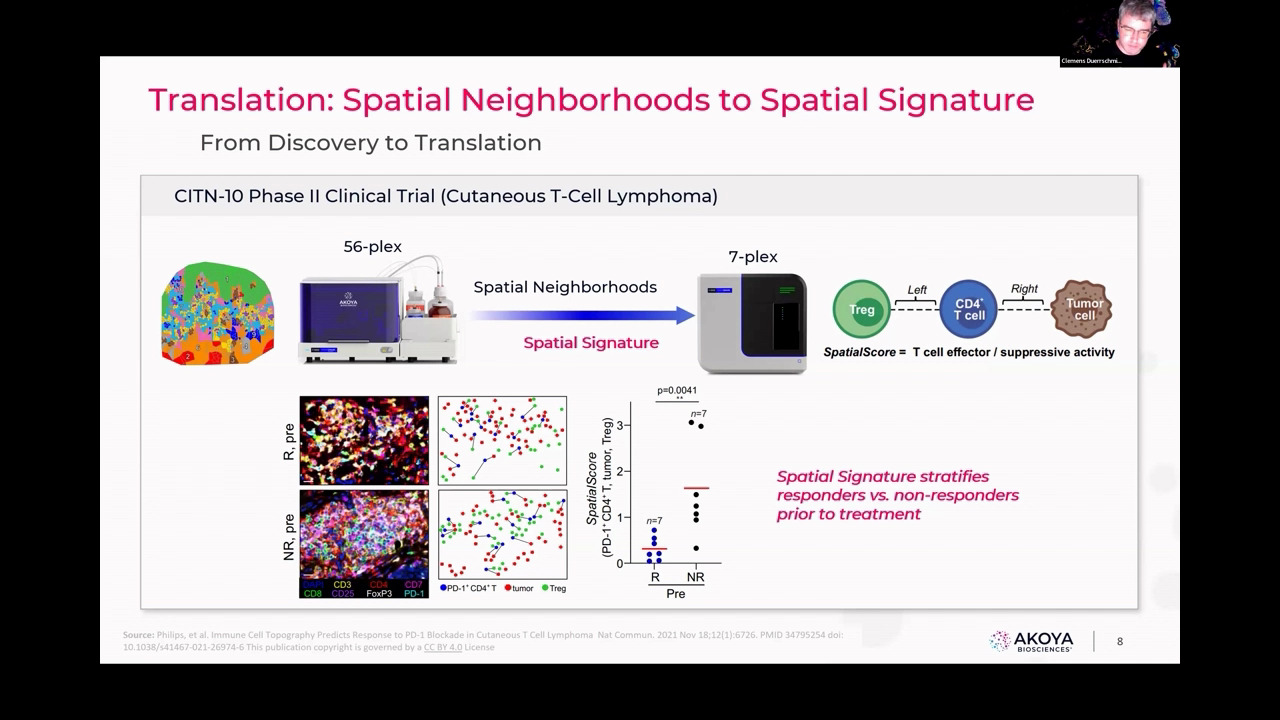
Spatial Precision Oncology: Stratifying Immunotherapy Response in Hepatocellular Carcinoma
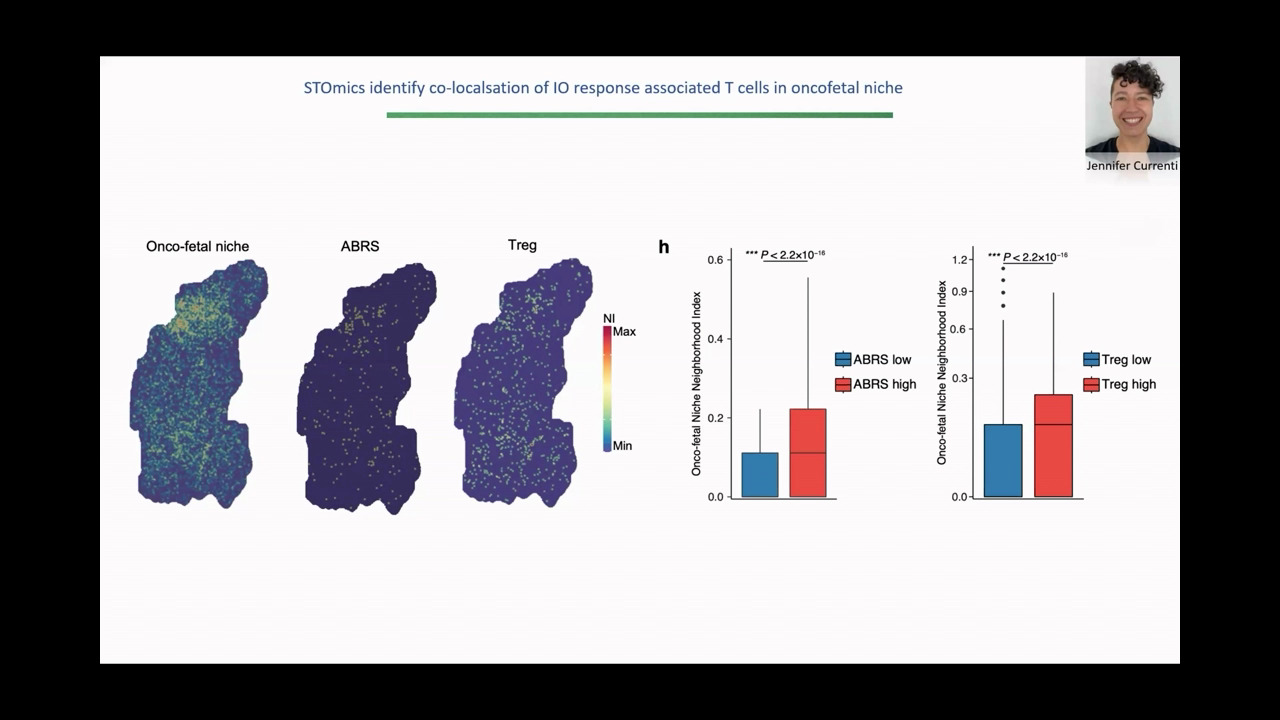
Multi-omic Spatial Delineation of Immunotherapy Response
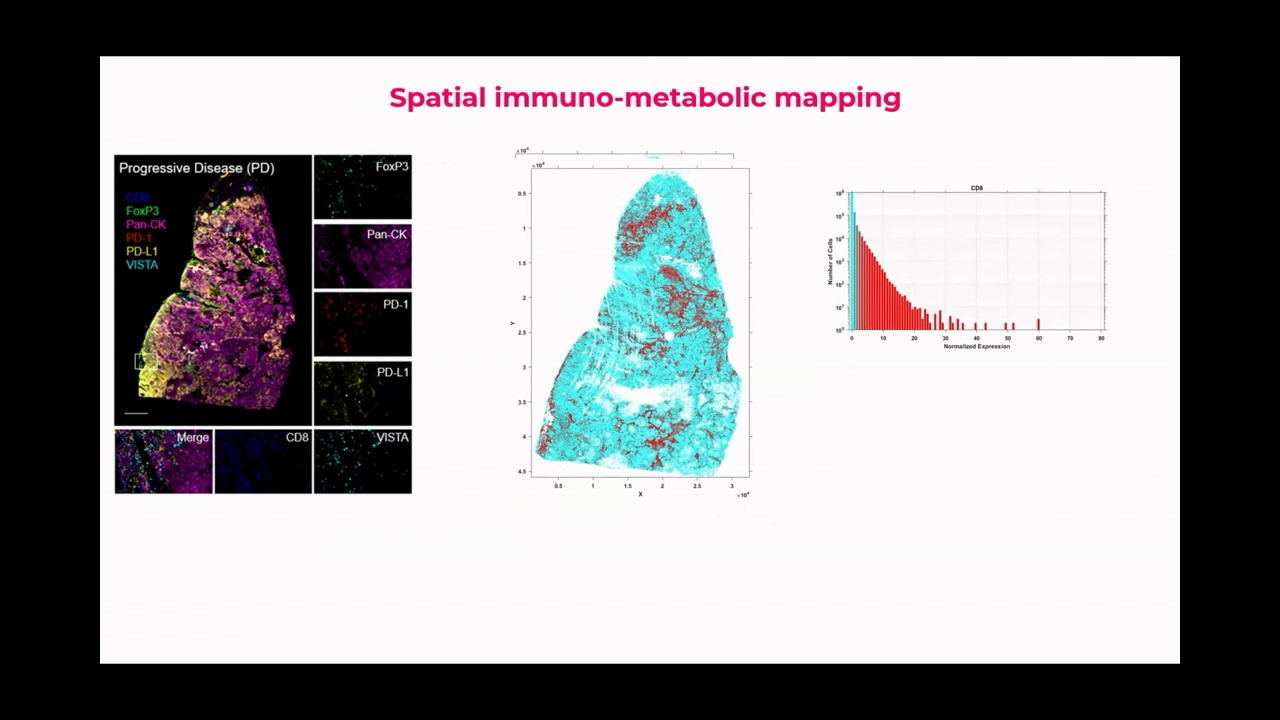
Dr. Arutha Kulasinghe discusses how single-cell multiomic spatial phenotyping is an invaluable tool to characterize the tumor microenvironment using unbiased whole-slide imaging of metastatic/recurrent HNSCC tumors among patients treated with pembrolizumab/nivolumab. He also explains how using these techniques, his team were able to identify stromal, immune, and metabolic tissue signatures associated with resistance to immunotherapy and poor overall survival.
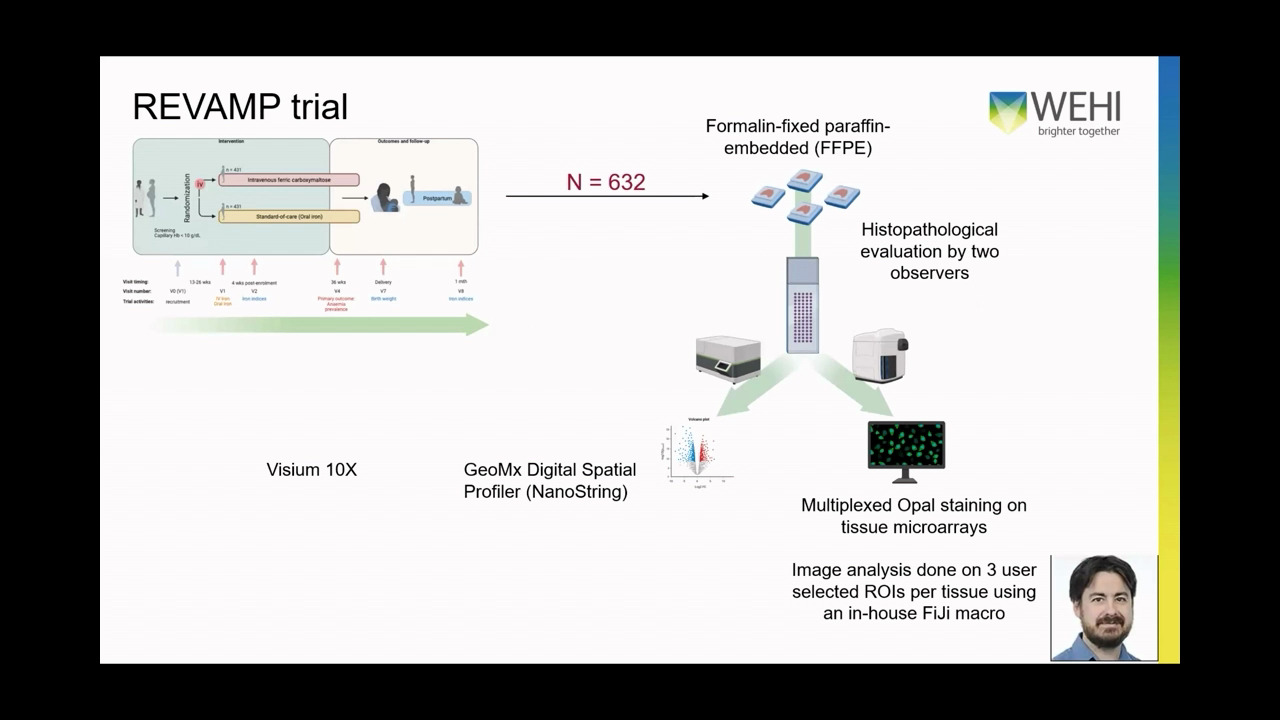
The Activation Status and Spatial Distribution of Hofbauer Cells in Malawian Placentas with Active, Past, or No Malaria: Insights from an Opal Multiplex Study
Spatial Imaging and Phenotypic Analysis of Immune Cells and Malaria Parasites in Plasmodium Infected Human Spleens
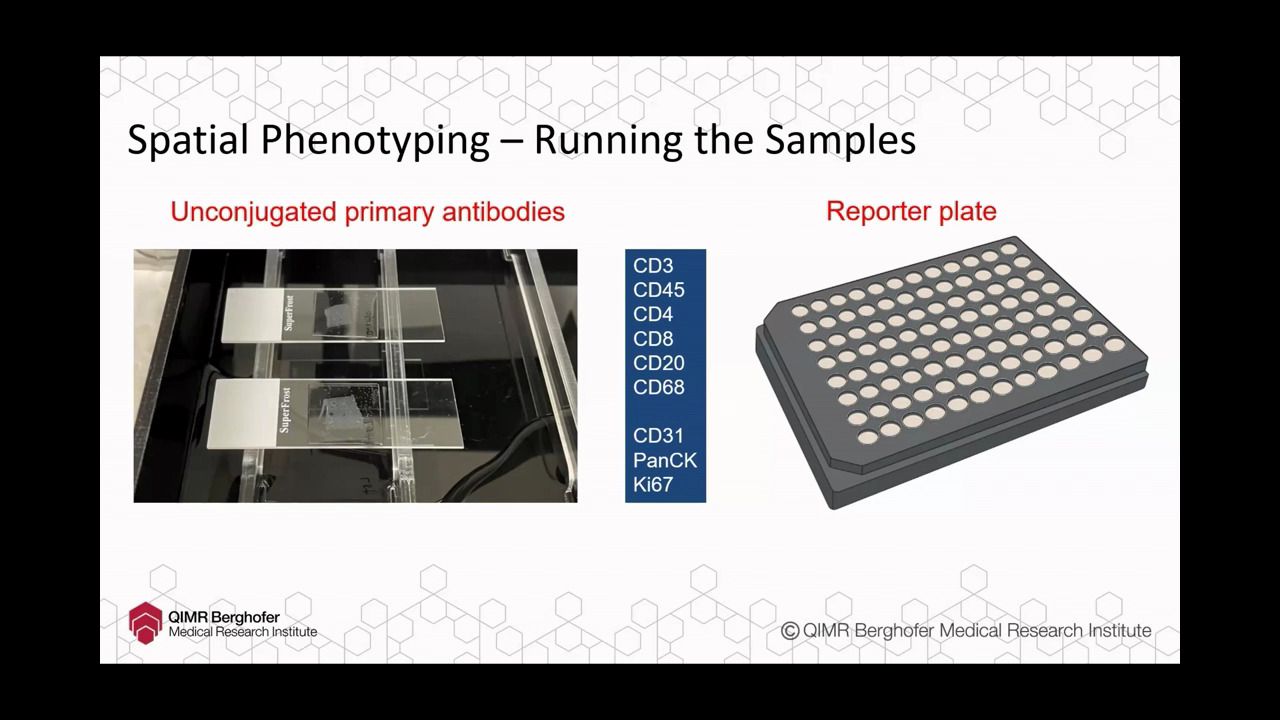
Clinical Implementation of Spatial Proteomic Data for Cancer Treatment Personalization
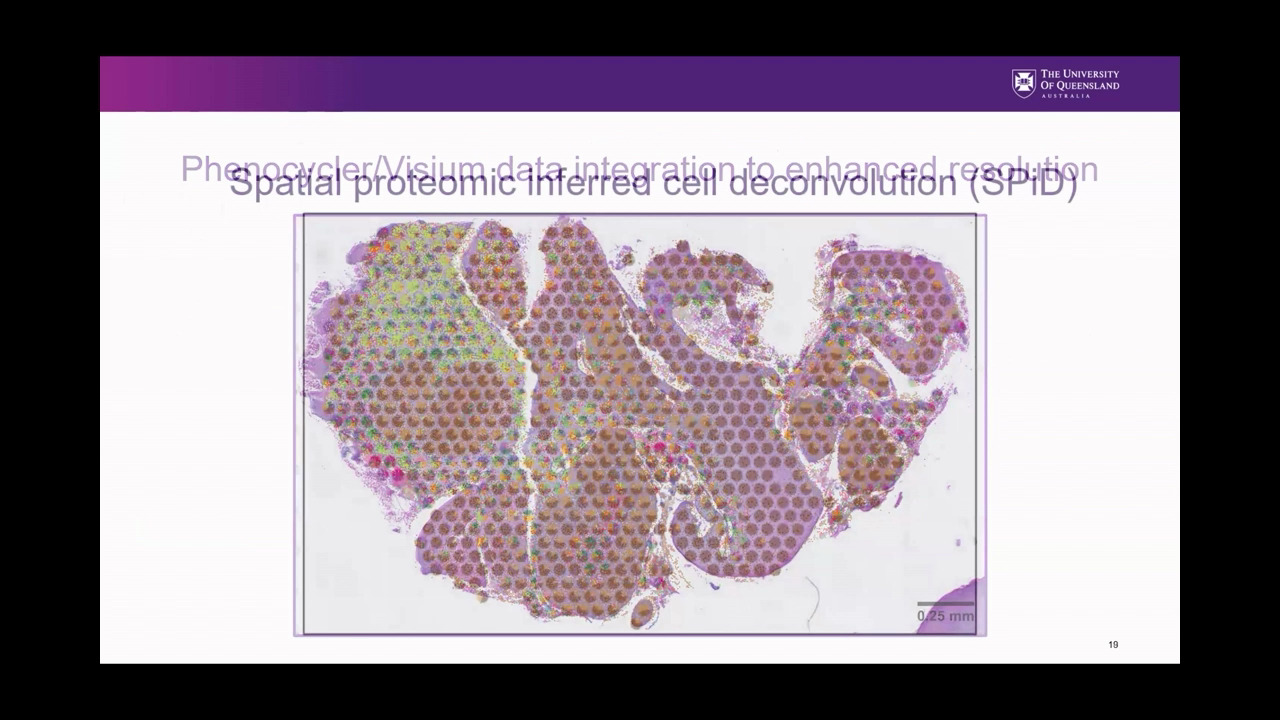
Tertiary Lymphoid Structures (TLS) in Solid Tumors
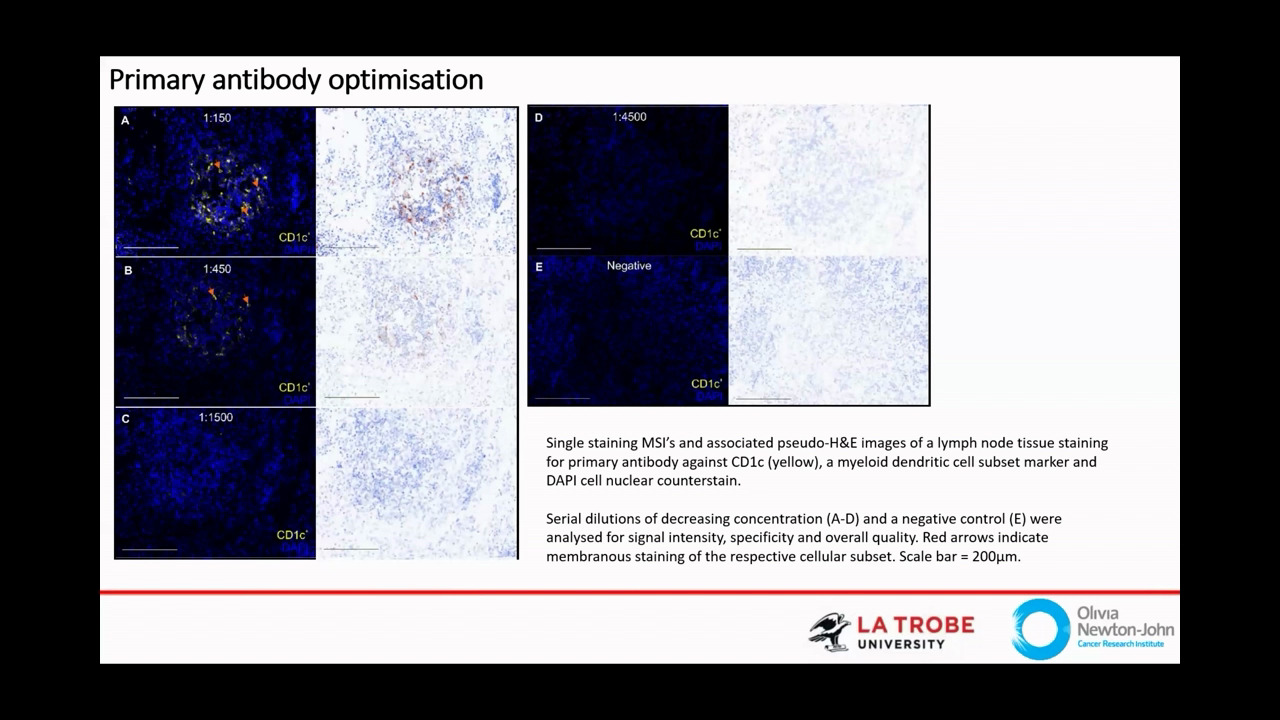
Dr. Jessica Da Gama Duarte from Olivia Newton-John Cancer Research Institute presents a protocol for the in situ interrogation and characterization of TLSs in human and murine tissue sections using multiplex immunohistochemistry. This protocol enables simultaneous detection of up to 7 markers (6 antigens and a DAPI counterstain). She also describes a grading system to identify immature and mature TLSs.
Related Posts

Accelerate Building Custom Spatial Proteomic Panels for New Biological Insights

Ultrasensitive Neuroimmune Biomarker Measurement for Translational Research and Therapeutic Development

Underdiagnosis of Alzheimer’s disease pathology in patients with cardiovascular disease

Decoding Neurodegeneration: High-plex Spatial Proteomics Reveal Distinct Cell Phenotypes and Pathological Signatures in Parkinson’s and Alzheimer’s Disease
In this webinar, Dr. Birgitt Schuele, Associate Professor (Research) of Pathology at Stanford University, showcases how ultrahigh-plex spatial proteomics is being used to uncover distinct cell phenotypes and pathological signatures…

Understanding the Brain: Advancing Neurodegeneration Research with Ultrahigh-Plex Spatial Proteomics
In this webinar, learn how ultrahigh-plex spatial phenotyping has been applied to neurodegenerative disease research.

p-Tau 205 and p-Tau 212: Emerging Biomarkers for Alzheimer’s Disease Research

Spatial Awareness: AI-powered Profiling of Trillions of Immune Cell Distribution Data Points Reveals Key Predictors of Cancer Recurrence Risk
This webinar highlights a groundbreaking study recently published as a Nature cover story (April 2025). Dr. Joe Yeong will describe how a pre-designed analytical framework—driven by well-defined clinical and scientific…

Multimodal Single-Cell Spatial Transcriptomics and Proteomics to Uncover the Biological Processes Driving Immunotherapy Response and Resistance in Renal Cancer
In this webinar, Dr. Anne-Laure Cattin from the Cancer Dynamics Laboratory at The Francis Crick Institute in London, will share her research on kidney cancer, focusing on the integration of…