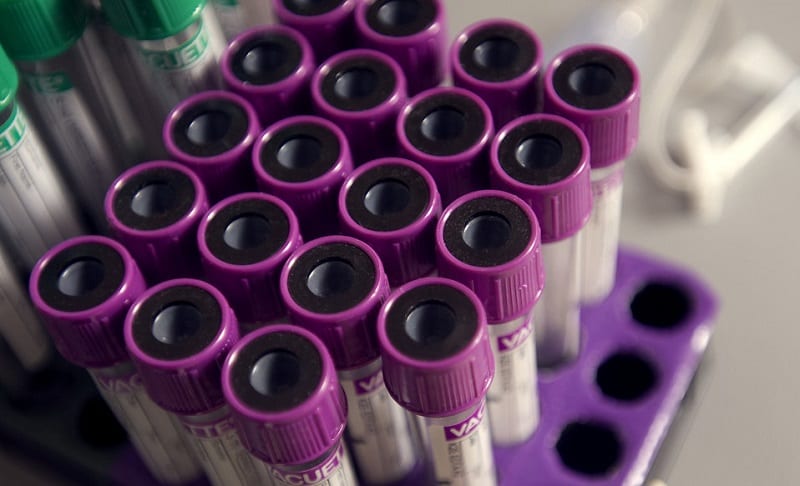

Tau Kit
Our SIMOA® Tau Kit is designed for the measurement of Tau in serum, human plasma and CSF. Click here to…
Posted on
LABORATORIUMS MEDIZIN
Weber T.
LaboratoriumsMedizin. July 2018.
Although recent evidence seems to suggest a steady or even declining prevalence and incidence of dementias, these disorders pose a tremendous threat to health care and caregivers. The most common, dominant cause of dementia is Alzheimer’s disease (AD) followed by Levy body dementia (LBD) and vascular dementia (VD). Over the last 25 years, great progress has been made in understanding the pathogenesis of AD but not yet in its treatment. Advancements have been made by ever improving clinical and paraclinical definitions allowing for a continuously increasing differentiation of the various causes of dementias. Besides imaging, functional imaging using positron emission tomography (PET) is now being increasingly used to define the amyloid load in vivo in the brain. By the use of tau-specific tracers meaningful tau imaging may be achieved in the future. The discovery of the cleaving mechanisms of the amyloid precursor protein (APP) and the identification of its major products such as Aβ 1−42 and Aβ 1−40 as well the metabolism of tau and its phosphorylation have provided reasonably reliable markers to evaluate their usefulness for the diagnosis of AD, LBD, frontotemporal dementia (FTD), Parkinson’s disease (PD), alcohol-related dementia (ARD), traumatic brain injury (TBI), mixed dementia (MD) and others first by cerebrospinal fluid (CSF) analysis and now, due to the introduction of a digital single molecule array (Simoa), by plasma testing. This promising new technique should open avenues for the laboratory validation of other markers such as neurofilament light chains (NfL), visinin-like protein-1 (VLP-1), heart fatty acid binding protein (HFABP) and YKL-40, facilitating further differentiation of the various forms of dementia thus leading to improved treatment.
Poster Background Reliable and reproducible antibody barcoding is critical for spatial biology workflows onthe Akoya PhenoCycler®-Fusion 2.0 (PCF). We evaluated and optimized a complementarychemistry to the existing Antibody Conjugation Kit…
Neurology
Poster Background Developing effective therapies for glioblastoma (GBM) relies on robust preclinical animal models that enable detailed investigation of tumor biology, discovery of therapeutic targets, and evaluation of new treatment…
Oncology
Poster Background Ultrahigh-Plex Single-cell Spatial Phenotyping has revealed valuable insights into the tumor immune microenvironment (TiME) for biomarker discovery and stratification of clinical responses. Metabolic reprogramming is a key hallmark…
Neurology
Alzheimer’s Research and Therapy | August 26, 2024 Sampani K, Ness S, Tuz-Zahra F, Aytan N, Spurlock EE, Alluri S, Chen X, Siegel NH, Alosco ML, Xia W, Tripodis Y,…
Neurology
Poster The intersection of new therapeutic options for Alzheimer’s disease (AD), the emergence of accurate blood-based tests for AD, and the anticipated health system log jam for confirmatory diagnostic testing…
Neurology
Alzheimer’s & Dementia | August 3, 2024 Verberk IMW, Jutte J, Kingma MY, Vigneswaran S, Gouda MMTEE, van Engelen MP, Alcolea D, Arranz J, Fortea J, Lleó A, Chevalier C,…
Our SIMOA® Tau Kit is designed for the measurement of Tau in serum, human plasma and CSF. Click here to…
NF-LIGHT®, our Nfl assay, is an immunoassay kit for the ultra-sensitive measurement of neurofilament light levels in serum, plasma and…