

IFN-γ
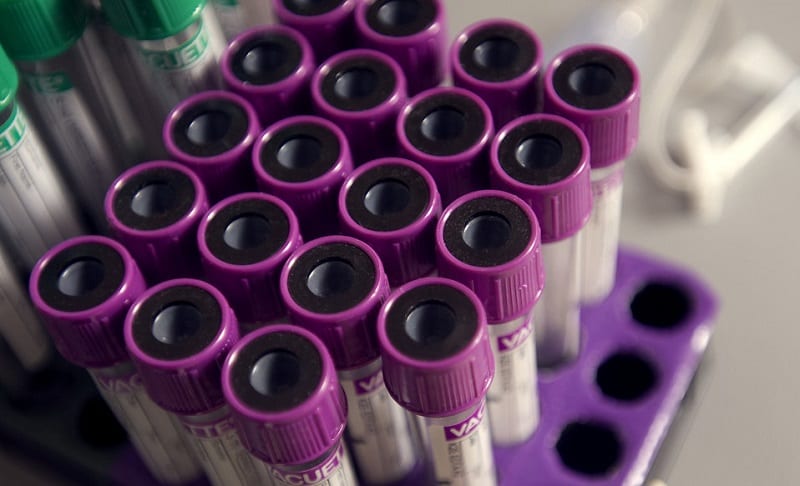
The IFN gamma assays are SIMOA® assay kits designed for the measurement of human Interferon-gamma (IFN-γ) in serum and plasma.…
Posted on
Guenin-Macé L, Morel JD, Doisne JM, Schiavo A, Boulet L, Mayau V, Goncalves P, Duchatelet S, Hovnanian A, Bondet V, Duffy D, Ungeheuer MN, Delage M, Nassif A, Di Santo JP and Demangel C
JCI Insight. 2020;5(20):e140598.
DOI:https://doi.org/10.1172/jci.insight.140598.
ABSTRACT
Hidradenitis suppurativa (HS) is a chronic skin disorder of unknown etiology that manifests as recurrent, painful lesions. Cutaneous dysbiosis and unresolved inflammation are hallmarks of active HS, but their origin and interplay remain unclear. Our metabolomic profiling of HS skin revealed an abnormal induction of the kynurenine pathway of tryptophan catabolism in dermal fibroblasts, correlating with the release of kynurenine pathway–inducing cytokines by inflammatory cell infiltrates. Notably, overactivation of the kynurenine pathway in lesional skin was associated with local and systemic depletion in tryptophan. Yet the skin microbiota normally degrades host tryptophan into indoles regulating tissue inflammation via engagement of the aryl hydrocarbon receptor (AHR). In HS skin lesions, we detected contextual defects in AHR activation coinciding with impaired production of bacteria-derived AHR agonists and decreased incidence of AHR ligand-producing bacteria in the resident flora. Dysregulation of tryptophan catabolism at the skin-microbiota interface thus provides a mechanism linking the immunological and microbiological features of HS lesions. In addition to revealing metabolic alterations in patients with HS, our study suggests that correcting AHR signaling would help restore immune homeostasis in HS skin.
Neurology
Poster Background Developing effective therapies for glioblastoma (GBM) relies on robust preclinical animal models that enable detailed investigation of tumor biology, discovery of therapeutic targets, and evaluation of new treatment…
Oncology
Poster Background Ultrahigh-Plex Single-cell Spatial Phenotyping has revealed valuable insights into the tumor immune microenvironment (TiME) for biomarker discovery and stratification of clinical responses. Metabolic reprogramming is a key hallmark…
Neurology
Alzheimer’s Research and Therapy | August 26, 2024 Sampani K, Ness S, Tuz-Zahra F, Aytan N, Spurlock EE, Alluri S, Chen X, Siegel NH, Alosco ML, Xia W, Tripodis Y,…
Neurology
Poster The intersection of new therapeutic options for Alzheimer’s disease (AD), the emergence of accurate blood-based tests for AD, and the anticipated health system log jam for confirmatory diagnostic testing…
Neurology
Alzheimer’s & Dementia | August 3, 2024 Verberk IMW, Jutte J, Kingma MY, Vigneswaran S, Gouda MMTEE, van Engelen MP, Alcolea D, Arranz J, Fortea J, Lleó A, Chevalier C,…
Neurology
Journal of Lipid Research | August 2, 2024 Becktel DA, Frye JB, Le EH, Whitman SA, Schnellmann RG, Morrison HW, Doyle KP. J Lipid Res. 2024 https://doi.org/10.1016/j.jlr.2024.100614 Abstract Ischemic stroke…
The IFN gamma assays are SIMOA® assay kits designed for the measurement of human Interferon-gamma (IFN-γ) in serum and plasma.…
The IL-17A assays are SIMOA® assay kits designed for the measurement of Interleukin 17A in serum and plasma. Click here…